

[QUIZ] To Placard, or Not to Placard

Test your knowledge of US DOT PHMSA placarding requirements—or use this quiz to stay sharp.
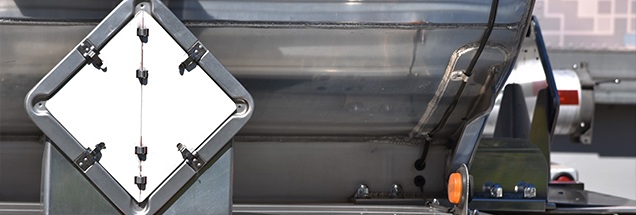
Situation: The HMR does not require placarding for your hazmat shipment, but you think you should placard anyway. Do the regulations allow placarding in this case?
Not quite.
Placards may be displayed for a hazardous material, including for subsidiary hazards, even when not required. The placard must represent the actual hazard of a material being transported and conform to the regulations.
That's right.
Placards may be displayed for a hazardous material, including for subsidiary hazards, even when not required. The placard must represent the actual hazard of a material being transported and conform to the regulations.
Which of these two placards must be displayed regardless of quantity, if they are a subsidiary hazard?

Not quite.
The correct answer is “both.” Regardless of quantity, if a hazardous material in transportation has a subsidiary hazard of either Division 6.1 Poisonous by Inhalation or Division 4.3 Dangerous When Wet, placarding for that subsidiary hazard is required.
That's right.
The correct answer is “both.” Regardless of quantity, if a hazardous material in transportation has a subsidiary hazard of either Division 6.1 Poisonous by Inhalation or Division 4.3 Dangerous When Wet, placarding for that subsidiary hazard is required.
Can the DANGEROUS placard be used for bulk packages?

Not quite.
The DANGEROUS placard may not be used for bulk packages.
That's right.
The DANGEROUS placard may not be used for bulk packages.
1,200 kg of Class 9 lithium battery packages are loaded onto a truck at a single facility for domestic transportation. Which placard must be used?

Not quite.
For domestic transportation, a Class 9 placard is not required on packages, vehicles, or freight containers.
That's right.
For domestic transportation, a Class 9 placard is not required on packages, vehicles, or freight containers.
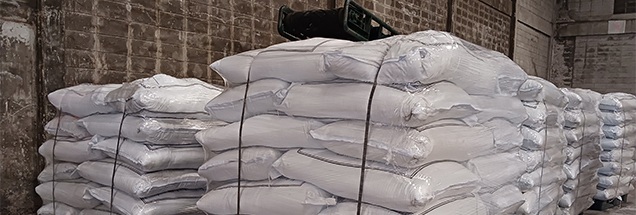
Scenario: The truck has no placards and contains no other materials. The shipper is offering 1,005 lbs. of a Division 5.1 Oxidizer in non-bulk packages. Must the shipper offer placards?
Not quite.
Shippers must offer placards for vehicles carrying non-bulk packages that contain an aggregate gross weight of 1,001 lbs. or more of the hazardous materials identified in Table 2 to 49 CFR 172.504(e). If only one Table 2 material is present in the vehicle, then the specific placard for that material must be used.
In this scenario, because Division 5.1 is identified in Table 2, and it is the only Table 2 material offered, the shipper must provide Division 5.1 placards.
That's right.
Shippers must offer placards for vehicles carrying non-bulk packages that contain an aggregate gross weight of 1,001 lbs. or more of the hazardous materials identified in Table 2 to 49 CFR 172.504(e). If only one Table 2 material is present in the vehicle, then the specific placard for that material must be used.
In this scenario, because Division 5.1 is identified in Table 2, and it is the only Table 2 material offered, the shipper must provide Division 5.1 placards.
Thanks for checking out today's quiz!
We hope you learned something new from these questions, or at least had fun.
Head to Lion.com/News to catch up on the rest of our recent blogs and compliance alerts. And keep your eyes peeled; we will let you know when we post the next quiz for you to ace.
Find a Post
Recent Posts
Compliance Archives

Download Our Latest Whitepaper
This report details major changes for hazardous waste generators from US EPA’s Generator Improvements Rule, as well as the latest updates from states that are still working to adopt new, stricter Federal requirements.

By submitting your phone number, you agree to receive recurring marketing and training text messages. Consent to receive text messages is not required for any purchases. Text STOP at any time to cancel. Message and data rates may apply. View our Terms & Conditions and Privacy Policy.