

Mustard Maker Sentenced for Clean Water Act Violations
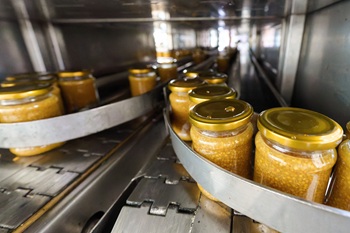
The owner of a mustard and vinegar manufacturing company pleaded guilty in Federal court to knowingly discharging acidic water into the Souhegan River. The owner was sentenced to 18 months in prison and one year of supervised release and ordered to pay a $250,000 fine. The company was ordered to pay an additional $1.5M fine.
See the Justice Department's press release.
Compliance and Violations
The Clean Water Act (CWA) prohibits the discharge of any pollutant into navigable waters of the United States without a National Pollutant Discharge Elimination System (NPDES) permit.
Because of previous noncompliance, the New Hampshire Department of Environmental Services (NH DES) and US EPA required continuous monitoring of a stream that flows underneath and in front of the manufacturing facility. According to EPA, previous issues at the facility contributed to multiple “fish kills,” i.e., localized mass die-offs of fish populations in a body of water.
For six years, the company executed a plan to evade monitoring. The owner directed his employees to illegally release acidic wastewater and stormwater through a secret underground pipe into the Souhegan River. Employees reported that they would be fired if they did not comply. The owner hid his crime through false reporting and other actions.
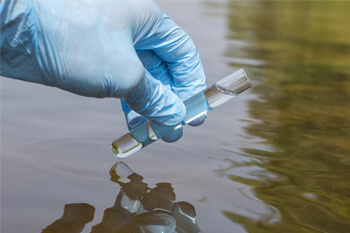
In May 2023, NH DES inspectors discovered wastewater from the facility with low pH and smelling of vinegar. The owner initially attempted to mislead the inspectors, but in August 2023, EPA agents with a search warrant found the secret pipe while it was actively discharging.
Food-related Events Can Be Deadly
When food is involved in an incident, it is natural to look for the punchline. But these processes can produce hazardous situations, and the risk of harm is real.
Back in 1919, a container meant to hold 2.5 million gallons of liquid was filled with molasses, which the container’s design could not contain. The container burst open and two million gallons of molasses spilled out. The sticky wave, possibly moving as fast as 35 miles per hour, destroyed buildings, trapped horses, killed 21 people, and injured 150 more. Some 40 years later, people still claimed to smell molasses in the area.
While the impacts of this event, the Great Molasses Flood, are not the same as the one detailed above, they do share one thing in common: the owner of the facility was found to be responsible.
Complete Environmental Regulations Training
Want a clearer idea of how major EPA air, water, and chemical programs all fit together to affect your site's activities? Join in on the next Complete Environmental Regulations Webinar on May 14–15 at Lion.com.
EH&S professionals who attend can identify the regulations that apply to their facility and locate key requirements to achieve compliance with the Clean Air and Clean Water Acts to EPCRA, TSCA, Superfund, and more.
Tags: Clean Water Act, environmental enforcement, EPA Enforcement
Find a Post
Recent Posts
Compliance Archives

Download Our Latest Whitepaper
What to do before, during, and after a RCRA hazardous waste inspection to defend your site from rising State and Federal penalties.

By submitting your phone number, you agree to receive recurring marketing and training text messages. Consent to receive text messages is not required for any purchases. Text STOP at any time to cancel. Message and data rates may apply. View our Terms & Conditions and Privacy Policy.