

Interim Recommendations After Fatal Explosion: US CSB
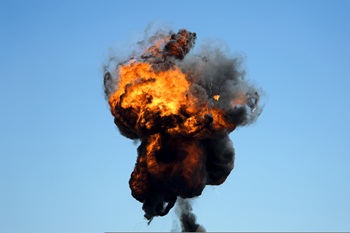
On August 11, 2025, a fatal explosion occurred when coke oven gas released from process piping and ignited at a coking facility in Clairton, Pennsylvania. The explosion killed two workers injured eleven more, and caused severe damage to nearby structures.
Late last month, US CSB issued two interim safety recommendations in connection with the agency’s ongoing investigation into the incident and has identified “potentially unmitigated” hazards for workers at the facility. The published recommendations relate to those hazards.
Read US CSB’s news release here.
1. Evaluate Worker-Occupied Buildings
The CSB’s first recommendation calls on the company to perform a thorough evaluation of facility buildings that are or could be occupied to identify and assess any potential hazards to workers based on where the buildings are located.
The agency’s investigation determined that both fatally injured workers and two of the five seriously injured workers were inside or near buildings near the explosion and that the occupied buildings in the area could not protect occupants from explosion hazards.
2. Address and Reduce Safety Risks
CSB’s second recommendation calls on the company to address and reduce any safety risks identified in the recommended facility evaluation, following accepted industry safety principles.
Takeaway: OSHA Compliance is Crucial
This incident highlights just how vital compliance with OSHA’s Process Safety Management (PSM) Standard is.
The PSM Standard exists to prevent or minimize the consequences of catastrophic releases of hazardous chemicals. Regulated facilities must perform a process hazard analysis that includes facility siting [1910.119€(3)(v)], which US CSB recommends the company perform to find and address hazards that warrant immediate attention.
Further, employees working at covered facilities must be trained “in an overview of the process and in the operating procedures” that emphasizes safety and health standards, emergency operations (including emergency shut down), and safe work practices [1910.119(g)(1)(i)].
Tags: CSB, process safety management, safety, workplace safety
Find a Post
Recent Posts
Compliance Archives

Download Our Latest Whitepaper
In-flight hazmat incidents can be disastrous. This guide gives 5 tips for first-time air shippers to consider before offering dangerous goods for transportation on passenger or cargo aircraft.

By submitting your phone number, you agree to receive recurring marketing and training text messages. Consent to receive text messages is not required for any purchases. Text STOP at any time to cancel. Message and data rates may apply. View our Terms & Conditions and Privacy Policy.