

EPA Enforcement Roundup: Week of 6/29
All violations or claims discussed below are alleged only unless we say otherwise, and we withhold the names of organizations and individuals to protect their privacy.
A pharmaceutical preparation manufacturing company resolved alleged RCRA violations at two facilities in Milford, Massachusetts.
During an inspection of the facilities, US EPA identified alleged RCRA violations related to hazardous waste air emissions, design and installation requirements for hazardous waste tank systems, equipment inspections, waste and storage area labeling, and contingency planning.
The company agreed to pay a fine of $858,889 and took multiple measures to come into compliance, including implementing a leak detection and repair (LDAR) program, performing daily visual inspections, and updating its Hazardous Waste Contingency Plan to reflect current hazardous waste conditions and emergency contacts.

A railroad company settled to resolve alleged TSCA violations related to 500+ tons of PCB-contaminated waste disposal.
One of the US’s largest railroad companies settled with US EPA to resolved alleged Toxic Substances Control Act (TSCA) violations related to the disposal of polychlorinated biphenyl (PCB) waste. The company agreed to pay a penalty of $155,234 and certified it is now in compliance with the TSCA regulations.
According to the Agency, the company improperly disposed of 334 tons of PCB cleanup waste at a landfill not authorized to accept it, failed to properly document the waste and notify the receiving landfill of the waste’s content, and failed to properly document the disposal of an additional 205 tons of PCB-contaminated waste at an approved facility.
PCBs were banned from manufacturing in 1979. These substances persist in the environment, bioaccumulate in plants and animals, and can enter the human body through the food chain.

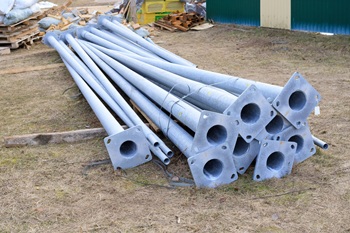
An infrastructure product manufacturer will pay a $6,500 penalty due to alleged hazardous waste violations in South Carolina.
An inspection by the SC Department of Environmental Services at the company’s facility in Hampton County, South Carolina revealed alleged violations that included failures to:
- Maintain a written description of the type and amount of both introductory and continuing training that would be given to each person filling a position.
- Ensure containers holding hazardous waste remain closed at all times during accumulation, except when adding, removing, or consolidating waste or when temporary venting of a container is necessary.
- Label central accumulation area containers with the words “Hazardous Waste.”
- Store hazardous waste in containers of good condition.
- Keep a copy of each manifest signed in accordance with SC Code Regs 61–79.262.23(a) (which mirrors 40 CFR 262.23(a)).
- Include required information in a hazardous waste contingency plan and submit that plan to all local emergency responders.
Complete Environmental Regulations Training
Want a clearer idea of how major EPA air, water, and chemical programs all fit together to affect your site's activities? Join in on the next Complete Environmental Regulations Webinar on July 23–24 at Lion.com.EH&S professionals who attend can identify the regulations that apply to their facility and locate key requirements to achieve compliance with the Clean Air and Clean Water Acts to EPCRA, TSCA, Superfund, and more. Prefer to train at your own pace? Try the interactive online course.
Tags: EPA Enforcement Roundup, hazardous waste management, RCRA, TSCA
Find a Post
Recent Posts
Compliance Archives

Download Our Latest Whitepaper
Explore ten hazardous waste management errors that caused generators in California the most trouble last year.

By submitting your phone number, you agree to receive recurring marketing and training text messages. Consent to receive text messages is not required for any purchases. Text STOP at any time to cancel. Message and data rates may apply. View our Terms & Conditions and Privacy Policy.