

Hazmat Rules for Sodium-Ion Batteries Proposed: US DOT
US DOT PHMSA proposed new regulations for shipping sodium-ion batteries in February 2026 as part of a substantial rule to align or “harmonize” US hazardous materials transportation regulations with international standards.
Sodium-ion batteries have gained popularity as an alternative to lithium batteries in recent years, and DOT expects to see more and more shipments of sodium-ion batteries in transportation as time goes on.
View the Proposed Rule in the Federal Register.
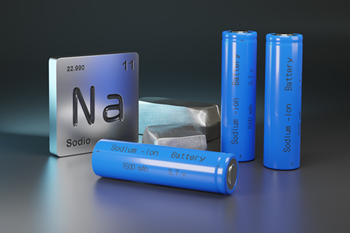
Proposed Regulations for Sodium-Ion Batteries
PHMSA proposed adding two UN ID numbers and three Proper Shipping Names to the HMT to address sodium-ion batteries:
- “UN 3551, Sodium ion batteries with organic electrolyte”
- “UN 3552, Sodium ion batteries contained in equipment, with organic electrolyte”
- “UN 3552, Sodium ion batteries packed with equipment, with organic electrolyte”
If finalized, this rule would assign Hazard Class 9 to all three of the above-mentioned shipping names. Shippers of sodium-ion batteries (UN 3551 or 3552) will be directed to follow existing packaging instructions in 49 CFR 173.185—the same instructions used to ship lithium-ion batteries.
PHMSA also proposed to expand current state-of-charge requirements to certain lithium and sodium-ion batteries in or with equipment when transported by air. This would limit the amount of energy stored to 30 percent or less of the battery’s capacity at the time of transport.
Current US Regulations for “Sodium Batteries”
Currently, the Hazmat Table at 172.101 includes the material “UN3292, Batteries, containing sodium.” This name and ID number describe batteries containing sodium metal. They are classified as Division 4.3 (Dangerous When Wet) and regulated strictly under the Hazardous Materials Regulations (HMR) because of the severe hazard they pose (see 49 CFR 173.189).
Sodium-ion batteries, however, behave more like lithium-ion batteries with respect to their potential hazards during transportation. So, given the similar risks, regulators determined that “the same requirements that apply to lithium-ion batteries are appropriate for sodium ion batteries.”
What’s Different About Sodium-ion Batteries?
Sodium-ion batteries have one very attractive advantage over lithium-ion batteries. According to PHMSA, they can be discharged to 0% state of charge without sustaining damage or deterioration. The potential to transport or store these batteries in a totally discharged state is a clear win for anyone concerned with battery supply-chain and facility safety.
Training for Hazmat Shippers
Hazmat shipper training is required by law for any employee who, in the course of employment, directly affects hazmat transportation safety.
Lion's Hazmat Ground Shipper Certification (DOT) training provides DOT hazmat training to prepare and offer hazardous materials shipments for transportation by ground. Hazardous material training covers a step-by-step approach to ensure full compliance with the 49 CFR Hazardous Materials Regulations (HMR).
Tags: 49 CFR, hazardous materials regulations, hazmat shipping, sodium ion batteries
Find a Post
Recent Posts
Compliance Archives

Download Our Latest Whitepaper
Get to know the top 5 changes to OSHA’s revised GHS Hazard Communication Standard at 29 CFR 1910.1200 and how the updates impacts employee safety at your facility.

By submitting your phone number, you agree to receive recurring marketing and training text messages. Consent to receive text messages is not required for any purchases. Text STOP at any time to cancel. Message and data rates may apply. View our Terms & Conditions and Privacy Policy.