

Exploring Risks of Hazmat-by-Electric Vehicle: PHMSA
On February 2, 2026, the US DOT PHMSA posted a notice and Request for Information (RFI) in the Federal Register.
In the notice, the Agency requested input from industry experts, fleet operators, manufacturers, emergency responders, regulatory agencies, and other stakeholders on the “safety risks, operational challenges, and regulatory considerations,” associated with transporting hazmat via heavy-duty electric vehicles (EVs) rather than traditional gas or diesel motor carriers.
PHMSA mentioned four potential factors that may be introduced by the transition toward transporting hazmat via EVs and posed thirty-six questions across seven categories for stakeholders to answer.
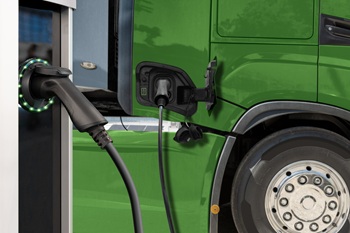
4 Potential Factors Noted by PHMSA
Battery Hazards
Lithium-ion batteries pose unique risks, including thermal runaway, fire propagation, and flammable/toxic gas emissions that differ from the hazards associated with conventional fuel sources.
Charging Station Vulnerabilities
Transporting hazmat via EVs requires charging infrastructure, which may influence cargo exposure risks, spill ignition potential, and emergency shutdown procedures.
Weight Distribution and Cargo Stability
EV batteries add additional weight that may impact hazmat containment strategies differently than internal combustion engine, or ICE, motor carriers, and may potentially influence vehicle stability, packaging requirements, and load distribution.
Emergency Response Adaptations
Fires, leaks, or mechanical failures in heavy-duty EVs require specialized response measures, which differ from those needed for ICE-powered motor carriers.

How Do EVs Affect Hazmat Transportation Safety?
The Agency posed thirty-six questions to industry experts and stakeholders that span seven topics. Below is a summary of concerns specific to EVs affecting hazmat transportation safety.
- What hazmat packaging and containment risks are posed by transporting hazmat by EV?
- How do EV-specific safety and performance risks affect hazmat transportation safety?
- What impact would transporting hazmat by EV have on infrastructure?
- Do existing hazmat transportation regulations and emergency response guidance sufficiently address the risks of transporting hazmat by EV?
- How does the transportation of hazmat by EV affect emergency response and incident mitigation?
- What economic and operational impacts are introduced by transporting hazmat by EV, including in the event of a vehicle fire?
- When it comes to EVs, what has not been considered that could be a detriment or an improvement to hazmat transportation safety?
Read PHMSA’s Notice and RFI in the Federal Register.
Tags: electric vehicles, hazmat, hazmat shipping, PHMSA
Find a Post
Recent Posts
Compliance Archives

Download Our Latest Whitepaper
Shipping papers are a crucial part of safely shipping hazardous materials. See the top 5 mistakes shippers make on shipping papers, and how to avoid them.

By submitting your phone number, you agree to receive recurring marketing and training text messages. Consent to receive text messages is not required for any purchases. Text STOP at any time to cancel. Message and data rates may apply. View our Terms & Conditions and Privacy Policy.