

Hazmat Rules for Space Travel: PHMSA
On January 29, US DOT/PHMSA published an advanced notice of proposed rulemaking (ANPRM) requesting public input about regulations related to transporting hazardous materials common in the space exploration industry, i.e., “commercial space sector.”
Successfully launching, maintaining, and retrieving spacecraft, satellites, capsules, and more requires the help of many hazardous materials, including propellants, fuels, antifreeze, oxidizers, and a wide range of dangerous chemicals.
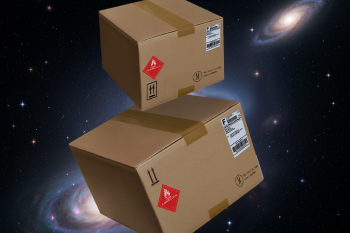
Because these materials are integral to a specialized mission (launching heavy objects beyond Earth’s atmosphere), they often require specialized packaging or containment during transportation. Under current regulations, this requires companies, laboratories, universities, and others to request hazmat special permits (SPs) to transport materials using alternative methods to ensure safety.
US DOT, in turn, must review those special permit requests in a timely fashion and respond to each one by granting or denying the permit. In addition, permits must be renewed on a regular basis, creating more “paperwork” on both sides of the equation.
A standardized set of regulations for the transportation of hazardous materials used in the space sector could streamline compliance for companies, laboratories, universities, and others with an interest in safer, more efficient shipping and transportation of hazardous materials.
What is an ANPRM?
An advanced notice of proposed rulemaking (ANPRM) is an early step in the Federal rulemaking process.
Government agencies use ANPRMs to engage the public and get stakeholder input. An ANPRM usually describes the Agency’s intent for a proposed rule and asks specific questions to garner feedback before entering the Proposed Rule stage.
The ANPRM stage is the first opportunity the regulated community and interested parties have to influence the rulemaking.
Why Submit Comments on Government Regulations?
During the ANPRM comment period, industry stakeholders and the public have an opportunity to submit “comments” that the agency will review before writing the regulation. Input from knowledgeable people in regulated industries is essential to the rulemaking process.
Without that input, Federal agencies sometimes create requirements that do not square with the reality of everyday operations at the sites they regulate. This can result in rules that are too complicated or overly burdensome even if the overall policy behind them is sensible.
New regulations take time to create. Sometimes they take a lot of time. If agencies base those regulations on outdated information or a flawed understanding of current economic conditions, the rules they write can conflict with reality and have unintended consequences.
By participating in the rulemaking process, knowledgeable industry professionals—engineers, EH&S specialists, emergency responders, hazmat employees, scientists, site managers, researchers, and so many others—use their knowledge and experience to shape the regulations that safeguard employee safety and the environment.
Tags: hazardous materials, hazardous materials regulations, hazmat, PHMSA
Find a Post
Recent Posts
Compliance Archives

Download Our Latest Whitepaper
Use this guide to spot which tanks and substances are regulated under EPA's Underground Storage Tank program, and which are excluded as of October 2018.

By submitting your phone number, you agree to receive recurring marketing and training text messages. Consent to receive text messages is not required for any purchases. Text STOP at any time to cancel. Message and data rates may apply. View our Terms & Conditions and Privacy Policy.