

How to Find Watt-hour Rating of Lithium-ion Batteries
Updated: April 1, 2024
For lithium-ion batteries, energy density is measured in Watt-hour rating or Wh rating. The greater the energy density of a lithium battery, the greater the potential hazard in transportation or storage. This blog and video cover how to calculate or find the Watt-hour rating for a lithium-ion battery.
This blog gives you three ways to find or calculate the Watt-hour rating of a lithium-ion battery—checking the battery itself; checking documents like the product spec sheet, SDS, or test summary; and calculating the Watt-hour rating using other data (voltage and amp hours).
Lion instructor Joel Gregier, CDGP covers it in this 60-second video:
What is Watt-hour rating?
When applied to a lithium-ion battery, Watt-hour rating is a measurement of how much energy (in Watts) the battery will expend over one hour. Knowing the Watt-hour rating is crucial to the safe transportation of lithium batteries by ground, aircraft, or vessel.
Shippers of lithium-ion batteries use the Watt-hour rating to determine how the battery must be packaged, marked, and labeled, as well as what kind of quantity limitations apply to the shipment or whether the batteries are forbidden from certain modes of transport—namely passenger aircraft.
Find the Watt-hour Rating for a Lithium-Ion Battery
For lithium-ion batteries manufactured since 2011, determining the Watt-hour rating should be as easy as checking the battery itself. Since December 31, 2011, all lithium-ion batteries must be marked with a Watt-hour rating.
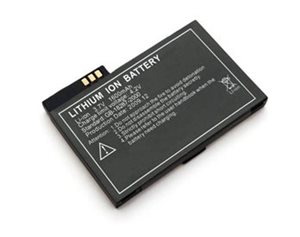 If you can't see the battery because it is installed in a device, or if you don't see the Watt-hour rating on the battery, the next place to check (for shippers) is technical documentation like a product specification sheet, a Safety Data Sheet (SDS), or a test summary document. Consumers might check product packaging or a product website next.
If the Watt-hour rating does not appear in either place—on the battery or on the spec sheet—you can calculate it using other information that may be available.
Formula to Calculate Lithium Battery Watt-hour Rating
If your lithium battery does not have the Watt-hour rating clearly marked on it and the Wh rating is not included on a product documentation you can do some quick math to determine the Watt-hour rating yourself, using some other information commonly found on the battery.You will need to know:
- The battery’s nominal voltage (V); and
- its capacity in ampere-hours (Ah).
Multiply these two numbers to get the Watt-hour rating (Ah × V = Wh).
Note: If the capacity of your battery is expressed in milliampere hours (mAh)—like in the image above— you will need to divide by 1,000 to calculate the ampere-hours (Ah) before multiplying.
Last Resort? Contact the Manufacturer
If the Watt-hour rating of your lithium batteries is not readily available, or if you cannot calculate it or are unsure about the results, the best course of action is to contact the manufacturer directly to get accurate information.

The stakes are too high to make guesses about how to prepare batteries for transport—civil penalties for noncompliance with the Hazardous Materials Regulaitons (HMR) increase every year to keep pace with inflation. Ground and air carriers are well aware of the hazards posed by lithium batteries, and will reject shipments that do not meet the latest regulatory requirements.
Ship lithium batteries?
Get full dangerous goods training to ship lithium-ion or lithium metal batteries by ground, air, or sea.
The Shipping Lithium Batteries Online Course covers the latest 49 CFR, IATA DGR, and IMDG Code rules you must know to prepare lithium metal or ion batteries for domestic or international transport.
Tags: DOT, hazmat shipping, lithium batteries
Find a Post
Recent Posts
Compliance Archives

Download Our Latest Whitepaper
Shipping papers are a crucial part of safely shipping hazardous materials. See the top 5 mistakes shippers make on shipping papers, and how to avoid them.

By submitting your phone number, you agree to receive recurring marketing and training text messages. Consent to receive text messages is not required for any purchases. Text STOP at any time to cancel. Message and data rates may apply. View our Terms & Conditions and Privacy Policy.